01. April 2026
Mayor Scott's 2026 State of the City: Housing Relief, Rising Homelessness, and a City in Progress
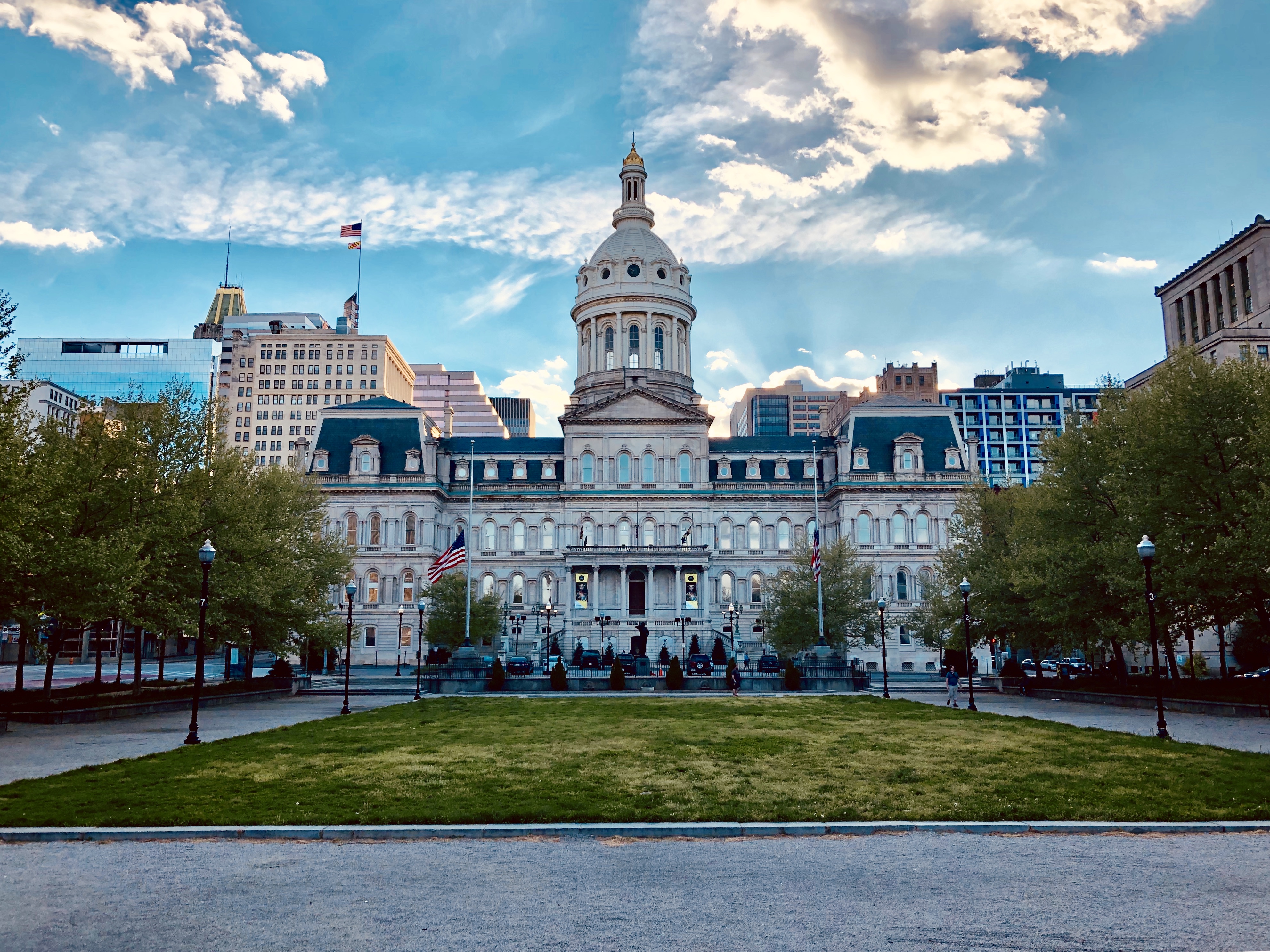
On the evening of March 31, 2026, Mayor Brandon Scott stepped before a packed audience at a Baltimore venue to deliver his annual State of the City address. Themed “Building Together, Block by Block,” the speech blended a victory lap on declining crime with a series of targeted announcements on housing affordability, utility relief, and youth investment.
For Baltimoreans living on the edge of housing instability — the renters one bad month from eviction, the longtime homeowners drowning in tax debt, the thousands still cycling through shelters — here is what the mayor said, and what it means.
Legacy Homeowners: A $2 Million Lifeline
One of the most concrete housing announcements was a $2 million pilot program aimed at long-term homeowners facing property tax debt. To qualify, residents must be 65 or older, have owned their home for more than ten years, and earn less than 80% of the Area Median Income (roughly $73,000 for a single person). Those who qualify will have their outstanding tax bills cleared — on the condition that they complete financial literacy courses and enroll in payment plans for future bills.
The deadline to apply is April 15, 2026.
This kind of targeted intervention matters in a city where property tax debt is one of the primary drivers of displacement among older Black homeowners. For decades, predatory investors have targeted homes with tax liens — buying them cheaply at tax sales and flipping or demolishing them, stripping generational wealth from families who have lived in the same house for fifty years. A program that stabilizes those homeowners is a meaningful, if small, counterweight to that dynamic.
The criticism: $2 million, spread across a city of hundreds of thousands of residents, is a modest beginning. Advocates will be watching to see whether the pilot is expanded in future budgets.
Renters Leaving Homelessness: Security Deposit Grants
Mayor Scott also announced a citywide security deposit assistance program, offering grants of up to $2,000 for renters transitioning out of homelessness or temporary housing. Security deposits are a well-documented barrier to housing stability — people exiting shelter often have the income to sustain rent but not the lump sum a landlord requires upfront.
This is the kind of targeted intervention that Housing First advocates have pushed for years. It won’t solve the housing shortage, but it directly addresses one of the most concrete obstacles keeping people from moving indoors.
Energy Relief: Keeping the Lights On
Rising utility costs have become an invisible driver of housing instability across Baltimore. Scott’s address included the Energy Stability Fund, which offers up to $1,500 in utility assistance for struggling residents. A parallel program through the Baltimore City Development Corporation will offer businesses grants of up to $25,000 for utility costs, with applications opening May 1.
For low-income residents — particularly seniors and families — a utility shutoff can quickly cascade into an eviction. Energy assistance programs like this one are underappreciated as homelessness prevention tools.
What Wasn’t Said
The speech was notably quiet on several fronts that housing advocates have been pressing:
Rent stabilization. The Baltimore City Council has been debating tenant protection ordinances for months, including a pilot rent stabilization program. The mayor did not mention it.
The shelter crisis. Just months ago, a city-commissioned survey of Baltimore’s emergency shelters found widespread reports of bedbug infestations, brown water, spoiled food, and safety concerns. The November 2025 Housing and Economic Development Committee hearing put the shelter system’s failures on the record. The State of the City offered no direct response to those findings.
Vacant properties. Baltimore has over 15,000 vacant properties. The mayor referenced road repairs and infrastructure sprints but did not outline a new strategy for the vacancy crisis, which drives neighborhood disinvestment and suppresses surrounding home values.
The Bigger Picture
It would be unfair to judge a mayor’s annual address solely by what it omits. Scott has championed real progress — historically low homicide rates over three consecutive years, a package of housing reform bills signed in late 2025, and a $4.9 billion FY2027 budget that includes significant investments in youth employment and public health.
But Baltimore’s housing and homelessness crisis has been building for decades, and the programs announced on March 31 — while genuinely useful — are incremental against a structural problem. The city’s eviction rate remains among the highest in the country. The homelessness count rose 26.5% between 2024 and 2025, reversing years of progress. The racial wealth gap that roots so much of Baltimore’s concentrated poverty has not narrowed.
“Building together, block by block” is an honest description of the pace of change. For many residents, it may feel too slow.
Resources: