15. January 2026
The Geography of Poverty: Baltimore's Deepening Divide and What Government Hearings Reveal
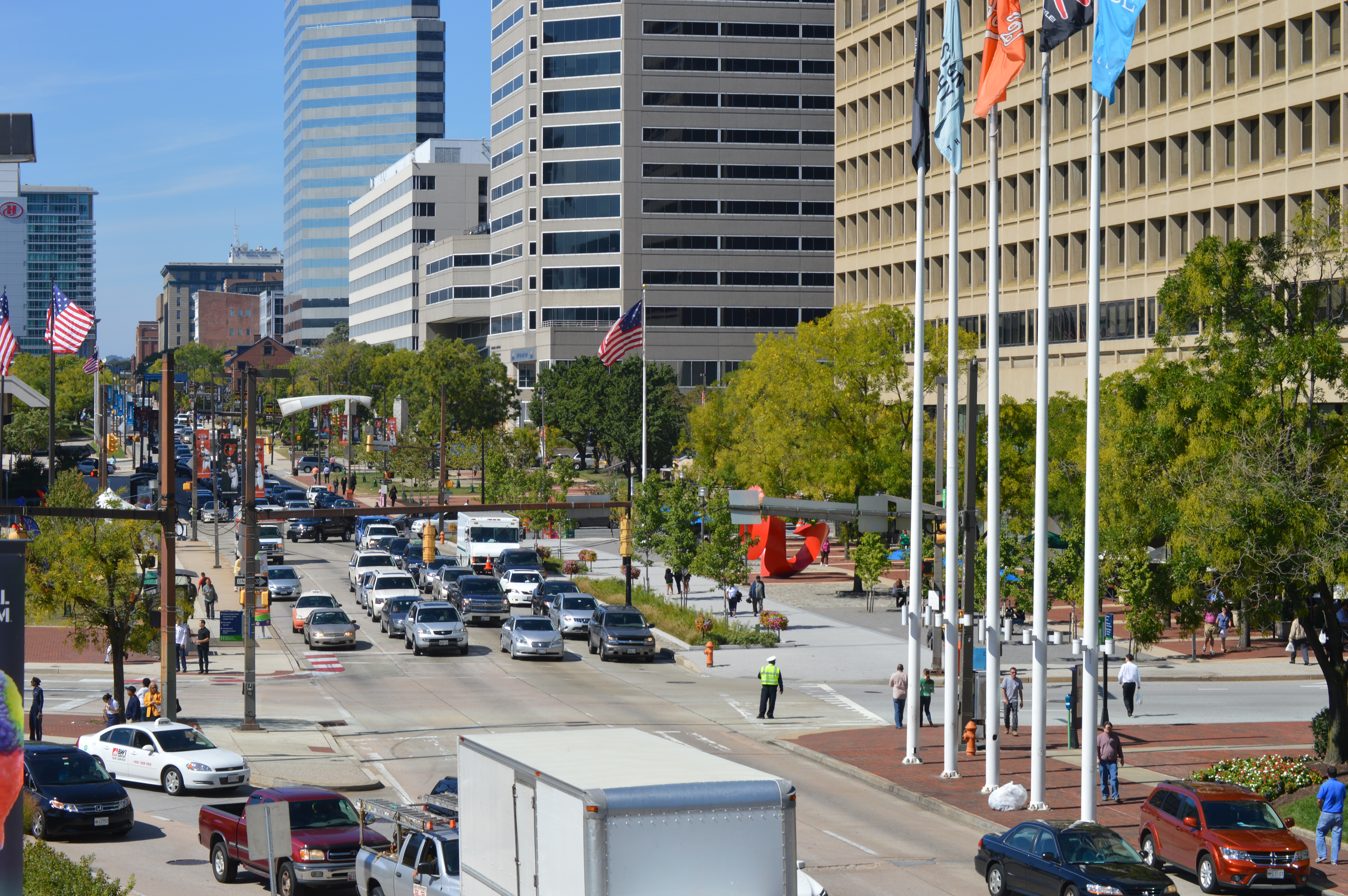
Baltimore is one of the most economically segregated cities in the United States. The distance between the Inner Harbor gleam of Fells Point and the boarded rowhouses of Sandtown-Winchester is only a few miles — but it spans a chasm measured in life expectancy, income, educational attainment, and generational wealth.
In recent months, that chasm has been the subject of multiple government hearings, both at City Hall and in Washington. What the testimony reveals is a city where poverty is not random — it is a direct legacy of policy choices, and it will require policy choices to undo.
U.S. House Subcommittee Hearing: Concentrated Poverty in Legacy Cities
Last fall, the House Financial Services Subcommittee on Housing, Community Development and Insurance convened a hearing examining concentrated poverty in older industrial cities, with Baltimore as a central case study. The hearing drew testimony from housing economists, community development practitioners, and residents.
Key Findings Presented to Congress
- Childhood poverty: Over 30% of Baltimore children live in poverty — more than three times the national average for suburban counties.
- Concentrated poverty neighborhoods: Roughly 25% of Baltimore’s total population lives in census tracts where the poverty rate exceeds 40%.
- Racial wealth gap: The median household wealth of white Baltimore families is estimated at over $180,000. For Black Baltimore families, it is under $9,000 — a gap that researchers link directly to decades of racially discriminatory mortgage lending, urban renewal displacement, and disinvestment.
- Life expectancy gap: In Roland Park, life expectancy is roughly 84 years. In Upton/Druid Heights — 1.4 miles away — it is 63 years. That 21-year gap exceeds the difference between the U.S. and many lower-income countries.
Baltimore City Council Hearing: Anti-Poverty Strategy Review
Earlier this year, the Baltimore City Council held an oversight hearing on the city’s Office of Economic and Neighborhood Development, specifically examining the implementation of the five-year anti-poverty strategy adopted in 2022.
The hearing was notable for the candor of city officials, who acknowledged that key benchmarks — including reducing child poverty by 10% and creating 5,000 subsidized jobs — had not been met.
The History That Made Baltimore’s Poverty
Witnesses at both hearings were consistent on one point: Baltimore’s poverty is not accidental. Expert testimony repeatedly returned to a set of structural causes.
Redlining and Discriminatory Lending
From the 1930s through the 1970s, federal mortgage programs and private banks systematically denied loans to Black Baltimoreans and marked Black neighborhoods as too “risky” to invest in. The result: white families built equity; Black families were locked out. That wealth gap compounds across generations.
Urban Renewal and Displacement
Mid-century “slum clearance” projects destroyed established Black neighborhoods — including parts of Old West Baltimore — to build highways and public housing projects. The displacement uprooted social networks and stripped communities of commercial infrastructure that had taken generations to build.
Deindustrialization
Baltimore lost over 100,000 manufacturing jobs between 1960 and 2000. Those jobs — which had provided a pathway to the middle class for generations of Baltimoreans — were replaced by lower-wage service work that couldn’t sustain families.
Disinvestment and Property Abandonment
Baltimore has over 15,000 vacant properties. These aren’t just eyesores — they depress surrounding property values, attract crime, and create health hazards. Many are the result of absentee landlords, speculative purchasing, and the city’s inability to enforce code violations at scale.
What Witnesses Said Was Needed
Across both hearings, advocates and researchers offered a consistent set of recommendations:
1. Direct cash investments in distressed neighborhoods Modeled on programs like Obama-era Promise Zones and the Investing in Opportunity Act, witnesses called for large-scale, sustained federal investment in infrastructure, schools, and small businesses in Baltimore’s highest-poverty neighborhoods.
2. A community land trust expansion The Baltimore Community Land Trust, which removes land from the speculative market to keep housing permanently affordable, was cited multiple times as a scalable model that protects neighborhoods from gentrification while building community wealth.
3. Living wage enforcement and local hiring Several witnesses argued that city-funded construction and development projects should come with binding local hiring requirements, ensuring that investment creates jobs for Baltimore residents — particularly those in the highest-need neighborhoods.
4. Targeted reparative investment in Black neighborhoods At least two witnesses used the word “reparations” — pointing to the specific and documented harm done to Baltimore’s Black communities through redlining and urban renewal, and arguing that remediation must be proportionate to the injury.
“The reason these neighborhoods look the way they do is not because of the people who live there. It’s because of the choices made by governments and banks and institutions over decades. The solution has to be at that same scale.” — Dr. Lawrence Brown, author of The Black Butterfly, testifying before the House subcommittee
Community Response
Outside the hearing rooms, Baltimore organizers from United Workers, Baltimore BLOC, and the Community Development Network of Maryland have been running parallel campaigns, arguing that government hearings matter only if they lead to action.
“We’ve been testifying about this for twenty years,” one organizer told a crowd gathered outside City Hall after the council hearing. “We don’t need another study. We need the money to move.”
Resources: