04. February 2026
Nowhere to Go: Inside Baltimore's Homelessness Crisis and the Fight Over Solutions
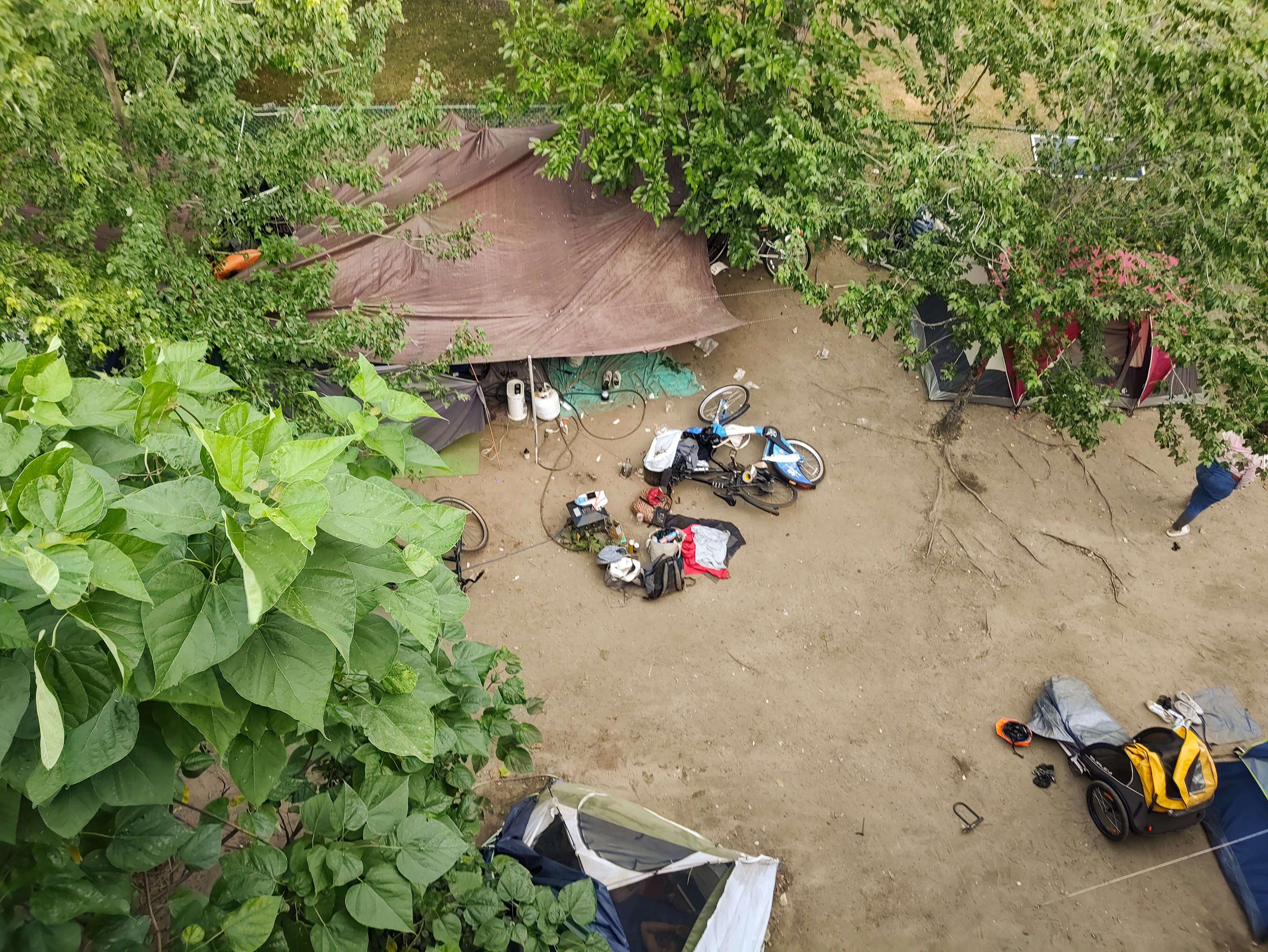
On a cold Tuesday morning in Annapolis, Maryland lawmakers gathered to hear testimony on a $40 million emergency homelessness response package proposed by the governor’s office. The Senate Finance Committee hearing drew a standing-room audience of social workers, faith leaders, unhoused advocates, and city officials — many of whom disagreed sharply on what the money should fund.
The Numbers Behind the Crisis
Baltimore’s most recent Point-in-Time count, conducted in January 2025, identified over 2,600 people experiencing homelessness on a single night. Advocates say the actual number is significantly higher, as PIT counts miss those doubled-up in overcrowded housing, sleeping in cars, or staying in places difficult to survey.
Chronic homelessness — defined as experiencing homelessness for a year or more, or four or more times in three years — has increased 31% over the past four years. Black Baltimoreans are dramatically overrepresented: they make up roughly 62% of the city’s population but account for over 80% of its unhoused residents.
The Core Debate: Shelter vs. Housing First
The hearing laid bare a longstanding tension in homelessness policy. City officials and some legislators pushed for increased emergency shelter capacity — more beds, more drop-in centers, more warming sites for the winter months. Housing First advocates pushed back hard.
“Shelter is not a solution. It’s a holding pattern. We’ve been funding emergency shelter for forty years in this city and the problem has gotten worse, not better. The evidence is clear — the only thing that actually ends homelessness is housing.” — Dr. Chandra Ross, testimony before the Senate Finance Committee
Housing First programs, which prioritize getting people into stable housing without preconditions like sobriety or employment, have strong research support. Baltimore’s own Housing First pilot through the Health Care for the Homeless program has shown high housing retention rates. But critics argue it can’t scale fast enough given the shortage of affordable units.
Voices from the Street
The most powerful testimony came from people who had experienced homelessness directly. One speaker, who identified himself only as “Marcus from East Baltimore,” described cycling through city shelters for three years:
“Every night I had to fight for my stuff. Things got stolen. There were fights. Bedbugs. I finally got a Housing First unit eight months ago. I have a door that locks. That’s what changed everything.”
Another witness, a woman who had been homeless with her two children before securing a rapid rehousing placement, described how shelter rules made it nearly impossible to maintain employment: mandatory sign-ins at 8pm, no guests, no private cooking.
Where the Money Would Go
The governor’s $40 million proposal breaks down roughly as:
- $18M — Rapid rehousing vouchers and navigation services
- $12M — Permanent supportive housing construction grants
- $6M — Emergency shelter operating support
- $4M — Street outreach and mobile crisis teams
Advocates from the Maryland Coalition to End Homelessness called the package “a meaningful step but not nearly enough,” noting that the state’s overall investment in affordable housing has lagged behind neighboring Virginia and Pennsylvania for over a decade.
The Role of Mental Health and Addiction
Committee members pressed witnesses on the intersection of homelessness with mental illness and substance use disorder. Baltimore City Health Commissioner Dr. Letitia Dzirasa testified that roughly 40% of chronically homeless individuals in Baltimore have a diagnosed serious mental illness, and that gaps in community mental health services — particularly following the closure of several residential treatment facilities — directly feed into street homelessness.
She argued for a “no wrong door” model: robust integration between housing, health, and behavioral health services rather than sequential treatment programs where people must “earn” housing.
What Advocates Are Demanding
A coalition of Baltimore-based organizations — including Healthcare for the Homeless, the Baltimore Station, and Homeless Persons Representation Project — submitted a joint letter calling on the legislature to:
- Fund 500 new permanent supportive housing units in Baltimore within two years
- Restore cuts to the Emergency Solutions Grant program
- Establish an independent Baltimore Homelessness Prevention Fund
- Create a statewide right to counsel in eviction proceedings
Resources: